
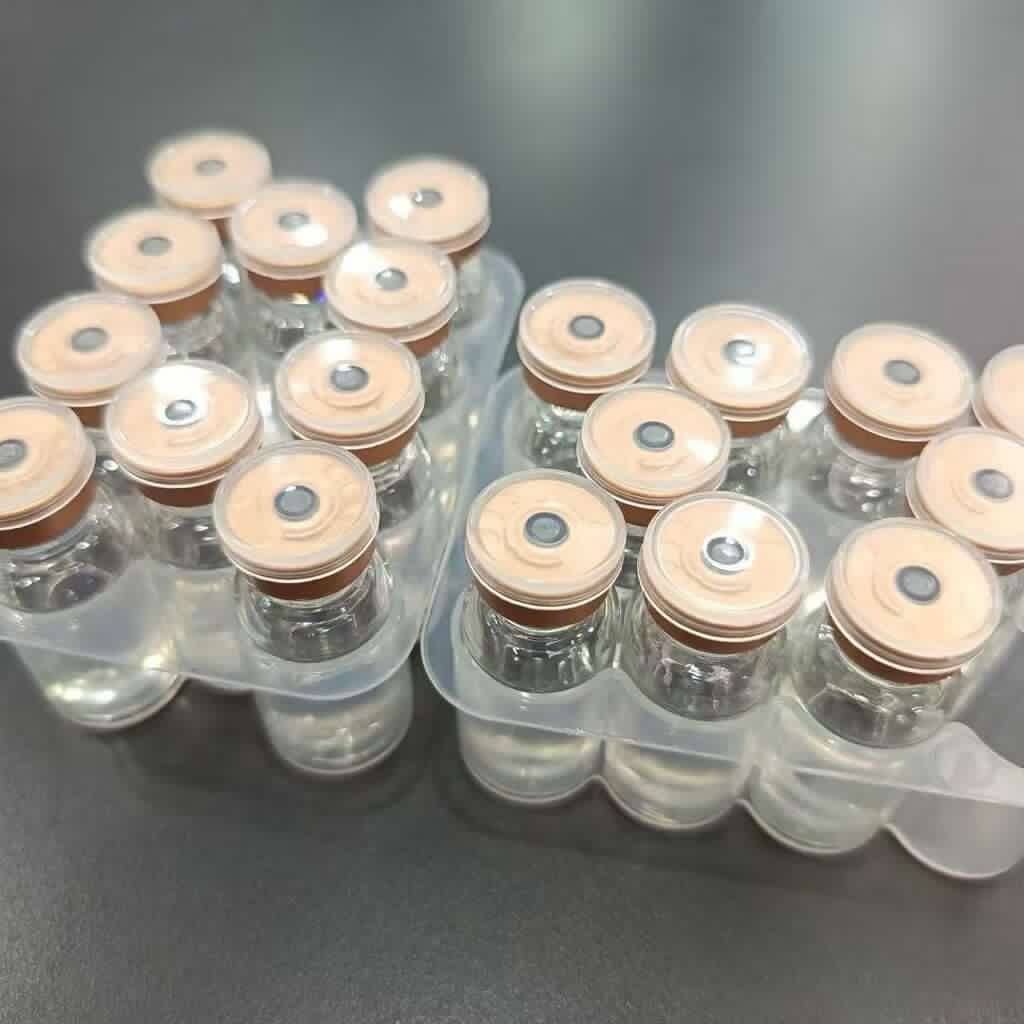
What is Kisspeptin-10?
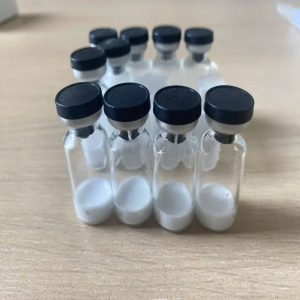
Kisspeptin-10 is a short chain peptide fragment derived from the larger kisspeptin protein family. It plays a key role in scientific and laboratory research related to hormonal signaling and reproductive biology.
Researchers study this peptide to better understand how the brain and endocrine system communicate through hormonal pathways.
In particular, Kisspeptin-10 is closely linked with the regulation of GnRH (Gonadotropin-Releasing Hormone), which is essential for reproductive hormone balance in biological systems.
How Kisspeptin-10 Works in Research
In laboratory studies, Kisspeptin-10 is analyzed for its interaction with specific receptors in the hypothalamus.
Key Mechanism
- Stimulates GnRH secretion pathways
- Influences LH (Luteinizing Hormone) and FSH (Follicle-Stimulating Hormone) activity
- Helps study endocrine signaling behavior
- Used to understand reproductive hormone regulation
These mechanisms make it an important compound in endocrinology and reproductive system research.
Research Applications of Kisspeptin-10
Kisspeptin-10 is widely used in laboratory environments for:
- Hormonal regulation studies
- Reproductive biology research
- Endocrine system signaling experiments
- Cellular communication analysis
- Fertility-related biological research models
👉 It is strictly used for scientific and laboratory research only.
Buy Kisspeptin-10 Peptide Online for Research Use
If you are looking to buy Kisspeptin-10 peptide online for laboratory research, this product is designed for controlled scientific studies.
Researchers prefer this peptide due to:
- High purity research-grade formulation
- Stable peptide structure
- Reliable experimental performance
- Consistent laboratory results
👉 This product is intended strictly for research use only and not for human consumption.
Explore our Peptides Category to see all research peptides:
Peptides Category Page
👉 Related Research Peptides:
- BPC-157 peptide – tissue regeneration research
- TB-500 peptide – cell migration and repair studies
- AOD-9604 peptide – metabolic research studies
- CJC-1295 peptide – hormonal pathway research
👉 Recommended Blog Reading:
- What are Research Peptides?
- Peptide Storage Guide
- BPC-157 vs TB-500 Comparison
Why Kisspeptin-10 is Important in Science
Kisspeptin-10 plays a valuable role in scientific research because it helps researchers:
- Understand reproductive hormone control
- Study brain-to-hormone communication pathways
- Analyze endocrine system behavior
- Explore fertility-related biological functions
Its role in GnRH signaling makes it an important tool in modern biomedical studies.
Storage & Handling Instructions
Proper storage is essential to maintain peptide stability:
- Store in a cool and dry environment
- Keep refrigerated after reconstitution
- Avoid direct sunlight exposure
- Do not repeatedly freeze and thaw
Improper handling may reduce research accuracy.
Safety Disclaimer
Kisspeptin-10 (fragment) peptide is strictly intended for laboratory and scientific research purposes only.
This product is NOT:
- For human consumption
- For medical treatment
- For diagnosis or prevention of any disease
All research must be conducted in controlled laboratory environments by qualified personnel.
Frequently Asked Questions (FAQ)
Q1: What is Kisspeptin-10 used for in research?
It is used to study hormonal signaling and reproductive system regulation in laboratory environments.
Q2: Can I buy Kisspeptin-10 for human use?
No. It is strictly for research use only.
Q3: Why do scientists study Kisspeptin-10?
Because it helps understand GnRH pathways and endocrine system communication.
Q4: How should Kisspeptin-10 be stored?
It should be stored in a cool environment and refrigerated after mixing for stability.
This article and product description are created for educational and scientific research purposes only. All content is intended strictly for laboratory research use.
No medical claims are made, and this product is not intended for human use.
Conclusion
Kisspeptin-10 (fragment) peptide is an important compound in reproductive and hormonal research. It is widely studied in laboratory environments for its role in GnRH signaling and endocrine system regulation.
Researchers use it to better understand biological communication between the brain and reproductive system.
Reviews
There are no reviews yet.